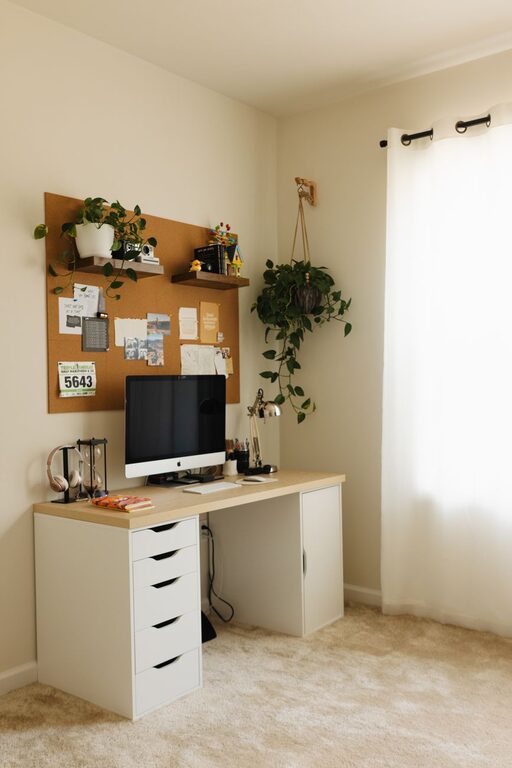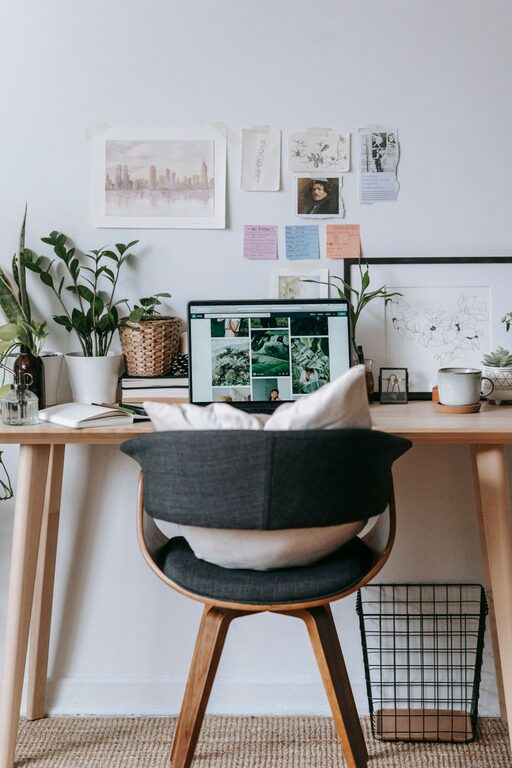
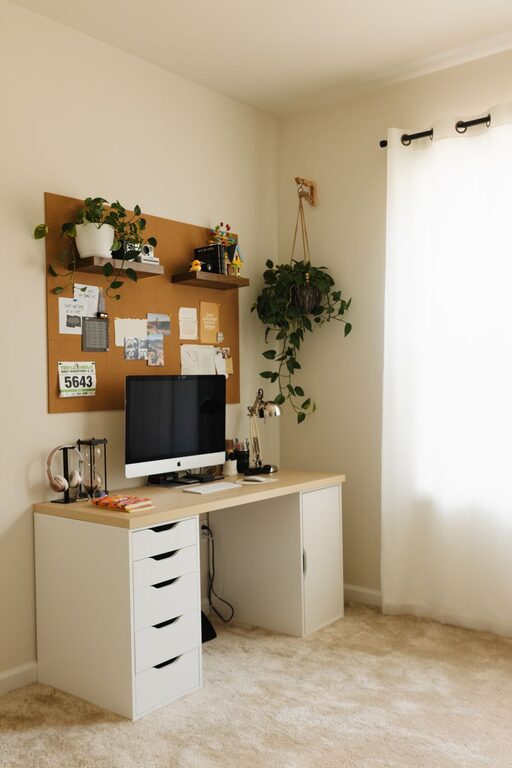
Creating a home office that is both relaxing and productive is essential for anyone working remotely or managing tasks from home. The right environment can help you stay focused, reduce stress, and maintain a healthy work-life balance. Here are some practical tips to help you design a home office space that supports both your productivity and well-being.
Choose the Right Location
Finding the ideal spot for your home office is the first step.
– Quiet and Private: Select a location with minimal distractions to help maintain concentration.
– Natural Light: If possible, position your desk near a window to take advantage of natural light, which can improve mood and energy.
– Away from Noise: Avoid high-traffic areas such as kitchens or living rooms to reduce interruptions.
Invest in Ergonomic Furniture
Comfort is key to maintaining productivity throughout the day.
– Ergonomic Chair: Choose a chair that supports good posture with adjustable height and lumbar support.
– Desk Height: Your desk should allow your arms to be at a 90-degree angle when typing.
– Monitor Position: Place your monitor at eye level about 20 inches away to reduce neck and eye strain.
Organize for Efficiency
An organized environment helps clear your mind and saves time.
– Declutter Regularly: Keep your desk tidy by only having essentials within reach.
– Storage Solutions: Use shelves, bins, or drawers to store supplies and documents neatly.
– Cable Management: Use cable organizers or clips to keep cords out of the way.
Personalize Your Space
Adding personal touches can make your workspace more inviting and comfortable.
– Plants: Include some greenery to improve air quality and create a calming atmosphere.
– Artwork or Photos: Display images that inspire or relax you.
– Color Scheme: Choose calming colors like blues, greens, or neutrals to enhance focus and serenity.
Optimize Lighting
Proper lighting reduces eye strain and boosts mood.
– Layered Lighting: Combine natural light with overhead lights and desk lamps to avoid harsh shadows.
– Adjustable Lamps: Use lamps that can be directed where needed for specific tasks.
Minimize Distractions
Creating boundaries can help you stay focused on work.
– Set Clear Work Hours: Having a schedule can prevent work from spilling into personal time.
– Noise Control: Use noise-canceling headphones or white noise machines if ambient sounds are distracting.
– Limit Technology Temptations: Keep your phone on silent or outside the workspace during focused work periods.
Incorporate Break Spaces
Taking breaks is crucial for maintaining productivity and mental health.
– Comfortable Seating: Have a spot for a quick rest or change of posture away from your desk.
– Stretching Area: Make room for stretching or light exercises to relieve tension.
– Hydration Station: Keep water nearby to stay hydrated throughout the day.
Use Technology Wisely
The right tech setup can enhance your efficiency.
– Reliable Internet: Ensure your connection is stable to avoid disruptions.
– Quality Equipment: Invest in a good keyboard, mouse, and headset to streamline tasks.
– Software Tools: Use productivity apps for task management, calendar scheduling, and focus timers.
Maintain Cleanliness
A clean workspace contributes to a clear mind.
– Daily Clean-up: Take a few minutes at the end of each workday to tidy your area.
– Air Quality: Regularly open windows or use air purifiers to keep fresh air circulating.
Establish Boundaries with Others
If you share your home with others, setting boundaries is important.
– Communicate Your Schedule: Let others know your work hours to reduce interruptions.
– Use Signals: Consider signs or closed doors to indicate when you’re busy.
—
By integrating these tips, you can create a home office environment that not only supports your professional goals but also fosters relaxation and well-being. Remember, a comfortable and organized workspace is an investment in your productivity and happiness.