Creating a cozy and functional home office space can make a significant difference in your daily work routine. Whether you are working from home full-time or just occasionally, having a dedicated area that promotes focus and comfort is essential. If you’re looking to design or improve your home office, these helpful tips will guide you in balancing style, functionality, and coziness.
Choose the Right Location
Selecting the best spot in your home is the first important step. Ideally, your office should be in a quiet area with minimal foot traffic to reduce distractions. Consider these options:
– A spare room dedicated solely to work
– A quiet corner in the living room or bedroom
– Space under the stairs, converted creatively
If natural light is available, try to position your desk near a window. Daylight not only lifts the mood but also reduces eye strain.
Invest in Quality Furniture
Comfort is key, especially if you spend many hours working. Focus on furniture that supports good posture and fits your space:
– Ergonomic chair: Look for adjustable options with lumbar support.
– Desk: Choose a size that fits your equipment and allows room for writing or organizing papers.
– Storage: Incorporate shelves, filing cabinets, or drawers to keep essentials within reach but out of sight.
Choosing the right furniture enhances both the comfort and usability of your office space.
Organize for Efficiency
A cluttered workspace can lead to distractions. Keep your office organized with these strategies:
– Use drawer dividers and organizers for stationery.
– Employ cable management tools like clips and sleeves to tidy cords.
– Label boxes or files for easy access.
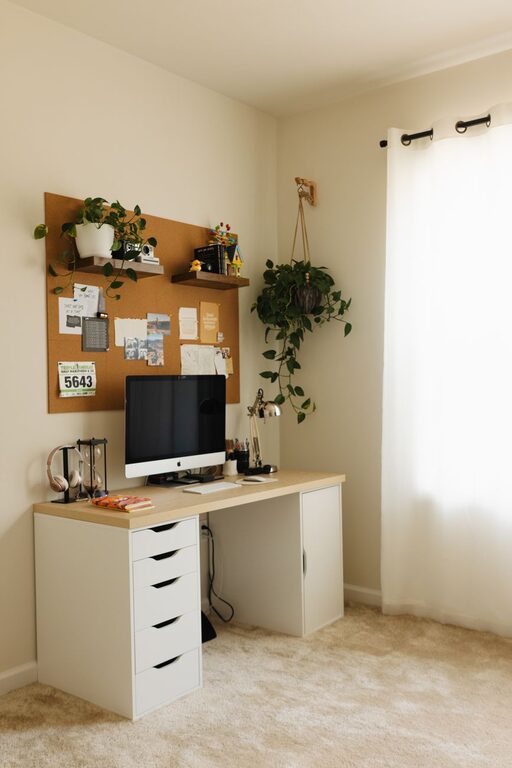
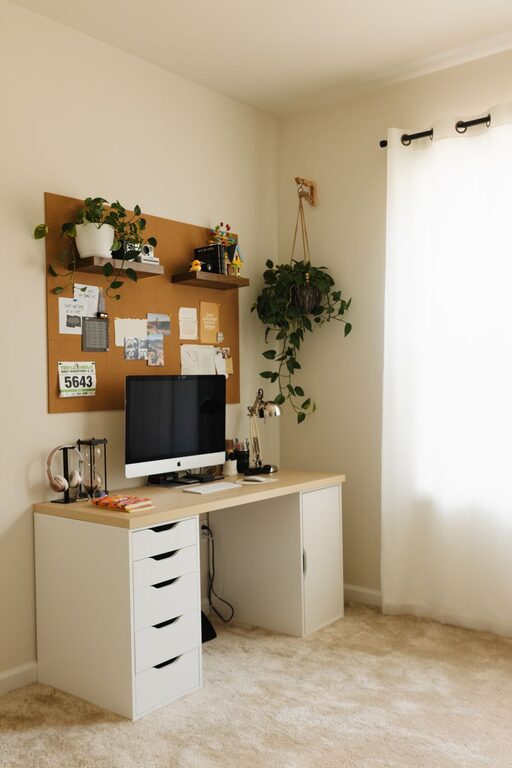
– Consider vertical storage options, such as wall-mounted shelves, to save floor space.
Regularly decluttering your workspace also helps maintain a clean and inviting environment.
Personalize Your Workspace
Adding a personal touch can make your office feel more welcoming and inspiring:
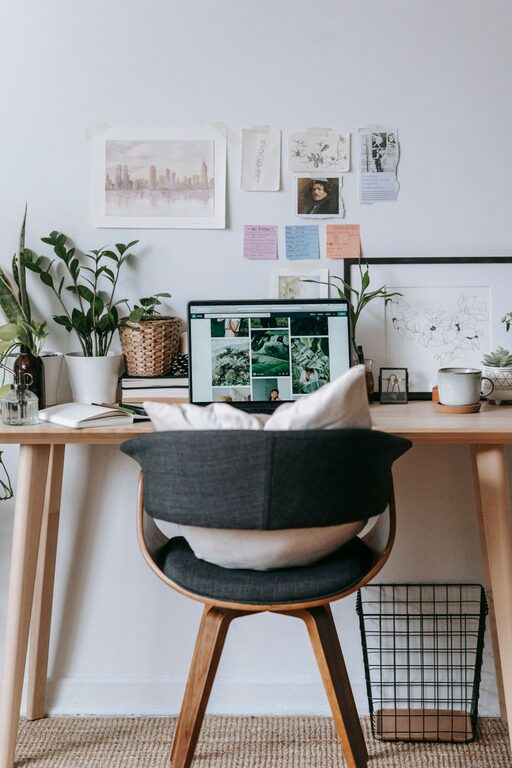
– Hang artwork or motivational prints that resonate with you.
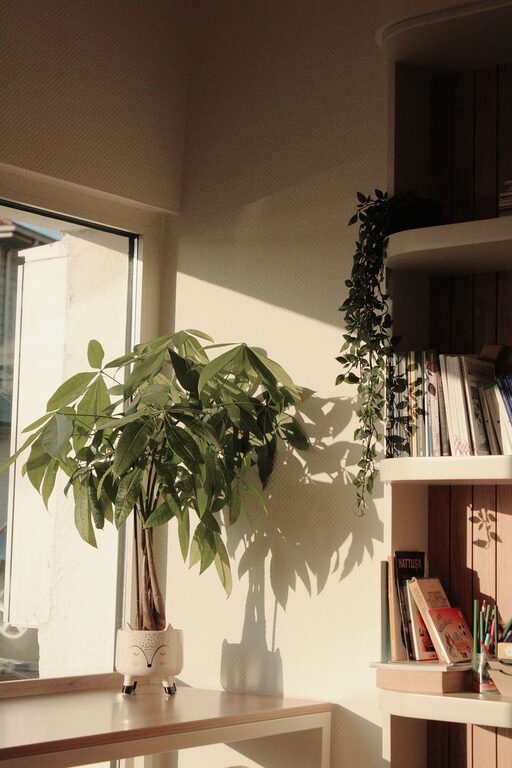
– Include plants to bring a bit of nature indoors and improve air quality.
– Use soft textiles like a cozy rug or cushions to add warmth.
Personalization encourages you to spend more time in your workspace and enhances your mood.
Optimize Lighting
Good lighting is vital for comfort and productivity:
– Combine ambient lighting with task lamps to reduce eye strain.
– Use adjustable desk lamps to focus light where needed.
– Consider daylight bulbs if your space lacks natural light for a more natural feel.
Avoid harsh overhead lighting as it can cause glare or headaches over long periods.
Incorporate Technology Thoughtfully
Technology powers most home offices, but it should not overwhelm the space:
– Invest in reliable Wi-Fi and necessary peripherals like printers or monitors.
– Keep tech accessories organized using stands or holders.
– Use wireless devices when possible to reduce clutter.
Make sure your setup allows easy access to outlets and minimizes tangled cords for safety and tidiness.
Create Zones for Different Tasks
If space allows, create distinct areas for various activities such as:
– A dedicated computer station
– A reading or brainstorming nook with a comfortable chair
– Storage or filing area separated from the main desk
Having zones makes it easier to switch between tasks and reduces the feeling of being overwhelmed.
Maintain Good Air Quality and Temperature
Comfort goes beyond furniture and lighting; air quality and temperature affect your concentration too:
– Keep a window open for ventilation if possible.
– Use an air purifier if you’re in a closed environment.
– Choose a fan or heater to ensure the room stays at a comfortable temperature year-round.
Ensuring fresh air and a pleasant climate helps you stay alert and comfortable.
Keep It Flexible
Your needs may change, so design your office with flexibility in mind:
– Use modular furniture that can be rearranged easily.
– Select items that serve multiple purposes, like foldable desks or chairs.
– Avoid overly permanent installations unless necessary.
A flexible design allows you to adapt your workspace as your routine evolves.
—
Creating a home office that blends coziness with functionality is achievable with thoughtful planning and design. By focusing on comfort, organization, and personalization, you can build a space that supports your work and well-being. Start with these tips, and tailor your office to what feels best for you. Happy decorating!