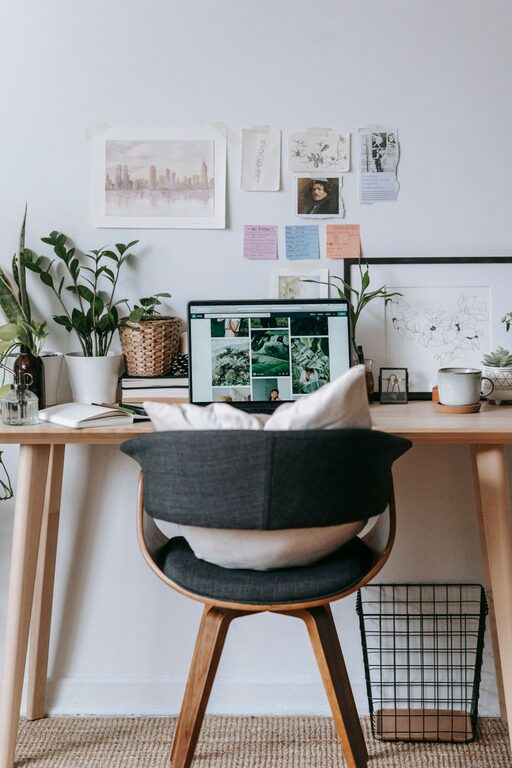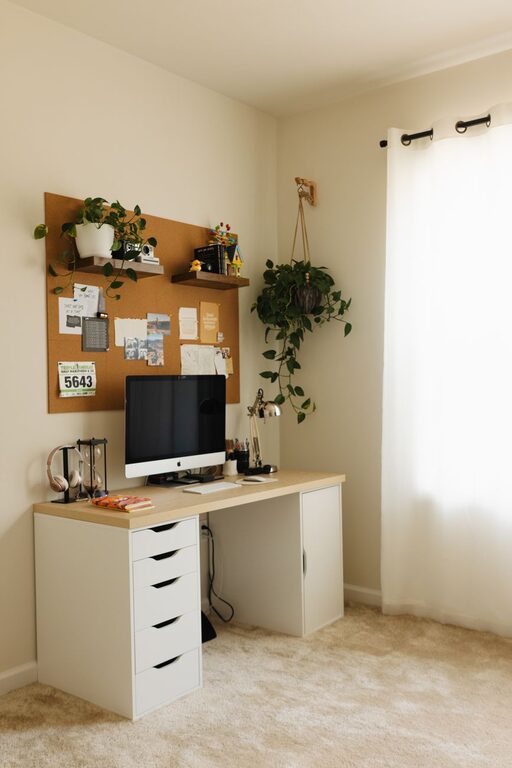
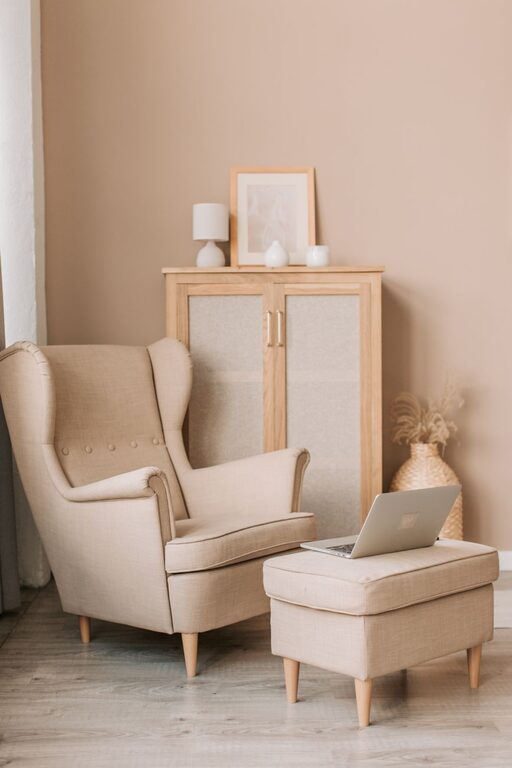
Creating a cozy and inviting home workspace is essential for anyone working remotely or spending time on personal projects at home. A thoughtfully designed area can boost your productivity, reduce stress, and make working from home something you genuinely enjoy. Whether you have a dedicated room or just a small corner, these tips will help you transform your space into a comfortable and inspiring environment.
Why a Cozy Workspace Matters
Before diving into design ideas, it’s important to understand why a cozy workspace matters. The right environment can:
– Improve focus and concentration
– Enhance creativity and motivation
– Reduce feelings of fatigue or burnout
– Promote better posture and physical comfort
When you feel comfortable and welcomed in your workspace, work becomes less of a chore and more of a pleasure.
Choosing the Right Location
Consider Natural Light
Start by selecting a spot in your home that has plenty of natural light if possible. Exposure to daylight has been shown to improve mood, boost energy levels, and regulate sleep patterns. Position your desk near a window to enjoy these benefits without glare on your screen.
Minimize Distractions
Pick a quiet corner where you’re less likely to be interrupted by household noises or high traffic areas. This helps you maintain focus during important tasks.
Optimize Space
Even small spaces can be effective. Use corners, unused nooks, or multi-functional furniture to maximize your workflow area.
Investing in Comfortable Furniture
Choose an Ergonomic Chair
Comfort is key to creating an inviting workspace. An ergonomic chair supports your back and promotes healthy posture, which can prevent discomfort during long work sessions.
Functional Desk Options
Pick a desk that suits your work style and space. Standing desks, adjustable desks, or classic wooden tables can be practical choices. Ensure your desk height allows your arms to rest comfortably while typing.
Add Soft Textures
Consider adding a cushioned seat pad or a soft rug beneath your desk to add warmth and coziness.
Creating a Personalized Atmosphere
Use Calming Colors
Colors impact mood, so choose calming tones like soft blues, greens, or neutrals for your walls and accessories. These colors tend to reduce stress and create a peaceful vibe.
Incorporate Plants
Plants not only add a touch of nature but also improve air quality and create a more pleasant environment. Low-maintenance options like succulents or pothos are ideal for busy schedules.
Personal Touches
Decorate your workspace with items that inspire you—photos, artwork, or meaningful objects. However, avoid clutter to maintain a clean, focused area.
Organizing for Efficiency and Calm
Declutter Regularly
Clutter can increase stress and distract from tasks. Keep your desk organized by removing unnecessary items daily.
Storage Solutions
Use shelves, drawers, or organizers to keep supplies neat and within reach. Label containers to quickly locate essentials.
Cable Management
Tidy cables using clips or sleeves to prevent tangled cords, which can make your workspace look messy.
Optimizing Lighting
Layer Your Lighting
Combine natural light with task lighting such as a desk lamp to reduce eye strain. Adjustable lamps allow you to direct light where needed.
Warm Light Shades
Lights with a warm color temperature create a soothing atmosphere compared to harsh fluorescent bulbs.
Adding Comfort Extras
Use Cozy Textiles
Add a soft throw blanket or plush cushions to your chair for extra comfort during cooler months.
Maintain Room Temperature
Ensure the room temperature is comfortable for you. Consider a fan or space heater if needed, so your productivity isn’t affected by discomfort.
Establishing a Routine
Define Work Hours
Create clear work-life boundaries to prevent burnout. Having “office hours” helps signal when it’s time to focus and when to relax.
Take Breaks in Comfort
Step away from your workspace regularly to stretch or relax. This pause can recharge your energy and keep you motivated.
Final Thoughts
Designing a cozy and inviting home workspace doesn’t require a complete overhaul of your home or a big budget. Small changes like adding a plant, adjusting your lighting, or organizing your supplies can make a big difference in how you feel while working. Focus on comfort, personalization, and functionality, and you’ll create a space that supports your best work and wellbeing each day.
Remember, the best workspace is one that feels good to you—inviting you to sit down, focus, and enjoy the work you do.