
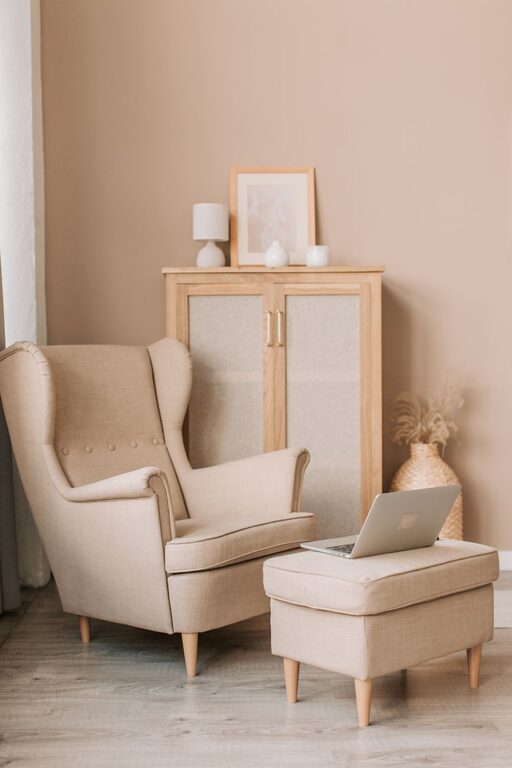
Creating a home workspace that feels cozy and inviting can make a significant difference in your daily comfort and productivity. Whether you work remotely full-time or occasionally need a quiet spot to focus, designing a space that nurtures your well-being is essential. In this post, we’ll explore practical tips to help you craft a home workspace that feels both comfortable and inspiring.
Choose the Right Location
Finding the ideal spot for your workspace is the first step. Consider areas in your home that naturally receive good lighting and offer some privacy. A corner of a quiet room or a spare nook can be transformed into an efficient workspace.
Factors to Consider:
– Natural Light: Place your desk near a window if possible. Natural light can boost mood and reduce eye strain.
– Noise Levels: Select a location away from busy areas to minimize distractions.
– Space Availability: Ensure enough room for your desk, chair, and any essential tools you need.
Invest in Comfortable Furniture
Comfort is key to staying focused and avoiding strain during long work sessions. Prioritize ergonomic furniture that supports good posture and suits your body.
Furniture Essentials:
– Ergonomic Chair: Choose one with lumbar support and adjustable height.
– Desk: Opt for a desk size that fits your work materials without cluttering the space.
– Footrest: If needed, add a footrest to maintain proper leg positioning.
Personalize Your Workspace
Adding personal touches makes the space feel welcoming and uniquely yours.
Ideas for Personalization:
– Artwork or Photos: Hang inspiring prints or family photos.
– Plants: Indoor plants improve air quality and add a soothing element.
– Decor Items: Use items like lamps, rugs, or cushions to add comfort and color.
Optimize Lighting
Proper lighting reduces eye strain and boosts productivity. Use a combination of natural and artificial light.
Lighting Tips:
– Desk Lamp: A focused desk lamp with adjustable brightness is ideal.
– Ambient Lighting: Soft overhead lighting creates a warm atmosphere.
– Avoid Glare: Position screens to avoid glare from windows or lights.
Keep It Organized
A tidy workspace helps keep your mind clear and focused.
Organization Strategies:
– Storage Solutions: Use shelves, drawers, or storage boxes to declutter.
– Cable Management: Use clips or sleeves to keep cords neat.
– Desk Accessories: Have containers for pens, paper, and other essentials.
Incorporate Calming Colors
Colors influence mood and productivity. Choose soothing tones that promote focus and relaxation.
Color Suggestions:
– Soft Blues and Greens: Known to create a calm environment.
– Warm Neutrals: Beige, cream, or light brown add warmth.
– Accent Colors: Use brighter colors sparingly to energize the space.
Control Temperature and Air Quality
A comfortable temperature and fresh air contribute to a better work experience.
Tips:
– Ventilation: Open windows regularly or use an air purifier.
– Temperature: Use fans or heaters to maintain a comfortable climate.
Set Boundaries and Routine
Even in a cozy space, it’s important to establish work boundaries.
How to Stay Balanced:
– Dedicated Work Hours: Set specific times for work to maintain a routine.
– Clear Space Rules: Keep work materials in your workspace to separate work and leisure.
Add Comfortable Textiles
Soft textiles can make your workspace feel inviting and reduce harshness.
Textile Ideas:
– Rugs: A small rug adds warmth and sound dampening.
– Cushions and Throws: Use these on your chair for added comfort.
– Curtains: Light-filtering curtains soften the light and add coziness.
Technology Setup
Ensure your technology supports your work efficiently without clutter.
Technology Tips:
– Minimal Devices: Only keep necessary electronics on your desk.
– Wireless Options: Use wireless keyboards or mice to reduce cables.
– Regular Maintenance: Keep devices updated and organized.
Final Thoughts
Creating a cozy and inviting home workspace doesn’t require a major renovation. By focusing on comfort, organization, and personal touches, you can design a space that inspires productivity and makes working from home a more enjoyable experience. Start with small changes, and tailor your workspace to what helps you feel your best. Remember, your workspace should support you — both functionally and emotionally.