
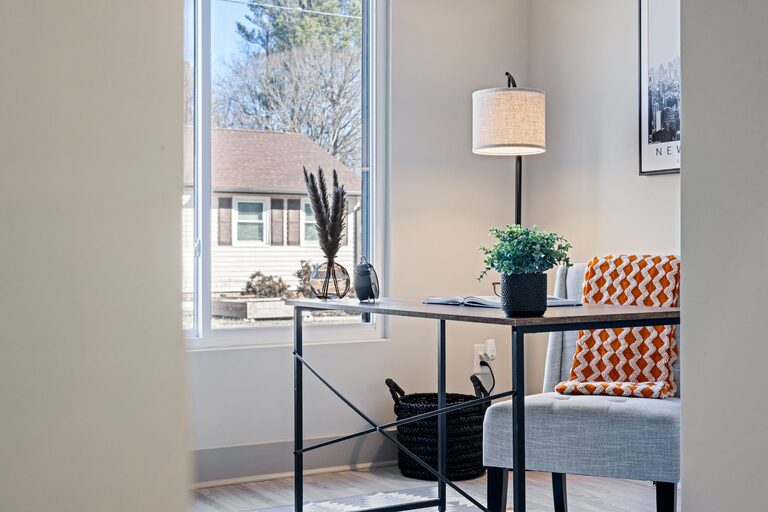
Creating a cozy and inviting home workspace is more important than ever. Whether you work remotely full-time, occasionally, or simply need a quiet area for personal projects, having a dedicated, comfortable space can boost your focus and overall well-being. In this post, we’ll explore practical tips to help you design a workspace that feels welcoming and encourages productivity.
Why a Cozy Workspace Matters
A cozy workspace isn’t just about aesthetics—it also supports your mental and physical health. When your work area is comfortable and inviting, you’re more likely to enjoy spending time there and maintain better concentration. This can lead to increased productivity and a healthier work-life balance.
1. Choose the Right Spot
Start by selecting a location in your home that suits your work style and needs. Consider factors like:
– Natural light: If possible, choose a spot near a window to benefit from natural daylight. Natural light can improve mood and reduce eye strain.
– Quiet environment: Look for an area with minimal distractions. If noise is an issue, consider noise-cancelling headphones or a white noise machine.
– Space availability: Make sure there’s enough room for your desk, chair, and any other essentials.
2. Invest in Comfortable Furniture
Proper furniture can make a big difference in your comfort and posture.
– Ergonomic chair: Opt for a chair that supports your back and allows for adjustable height.
– Desk size: Choose a desk that fits your space but also provides room for your computer, notebooks, and other tools.
– Footrest and accessories: Consider a footrest or wrist supports to reduce strain during long hours.
3. Personalize Your Space
A workspace should inspire you. Adding personal touches creates warmth and motivation.
– Decor: Hang inspiring artwork or photos.
– Plants: Adding greenery can improve air quality and bring a calming effect.
– Lighting: Use a desk lamp with adjustable brightness for extra lighting in the evenings.
4. Organize and Declutter
Clutter can negatively impact focus. Keep your workspace tidy by:
– Using organizers or trays to store stationery.
– Having a filing system for important papers.
– Clearing the desk at the end of each day.
5. Incorporate Colors that Encourage Productivity
Certain colors can influence your mood and productivity.
– Soft blues and greens: These colors are calming and can help reduce stress.
– Warm neutrals: Shades like beige or warm gray create a cozy atmosphere.
– Avoid overly bright or harsh colors that may cause distraction.
6. Maintain Good Air Quality
Fresh air keeps you alert and comfortable.
– Open windows when possible.
– Use an air purifier if necessary.
– Add plants which can help improve indoor air quality.
7. Manage Cables and Technology
Messy cables can be distracting and unsightly.
– Use cable organizers or clips.
– Keep frequently used devices in easy reach.
– Regularly check your equipment to ensure everything is working smoothly.
8. Set Boundaries
Especially when working from home, setting clear boundaries helps maintain balance.
– Use room dividers if your workspace overlaps with living areas.
– Communicate your work hours with family or housemates.
– Take regular short breaks to avoid burnout.
9. Add Comfortable Accessories
Small touches can make a big impact on comfort.
– A soft rug under your desk can add warmth.
– Use cushions or throw blankets for added coziness.
– Keep a water bottle nearby to stay hydrated.
10. Keep It Flexible
Your workspace needs may change over time.
– Choose furniture that can be easily rearranged.
– Consider adjustable desks that allow standing or sitting.
– Regularly reassess your space to see if improvements are needed.
—
By following these tips, you can create a cozy and inviting home workspace tailored to your personal style and work habits. A well-designed workspace helps you feel motivated, relaxed, and ready to tackle your tasks with ease. Remember, comfort and functionality go hand in hand—prioritize both to enjoy your home office to the fullest.